Addiscombe street by street rubbish collection top tips
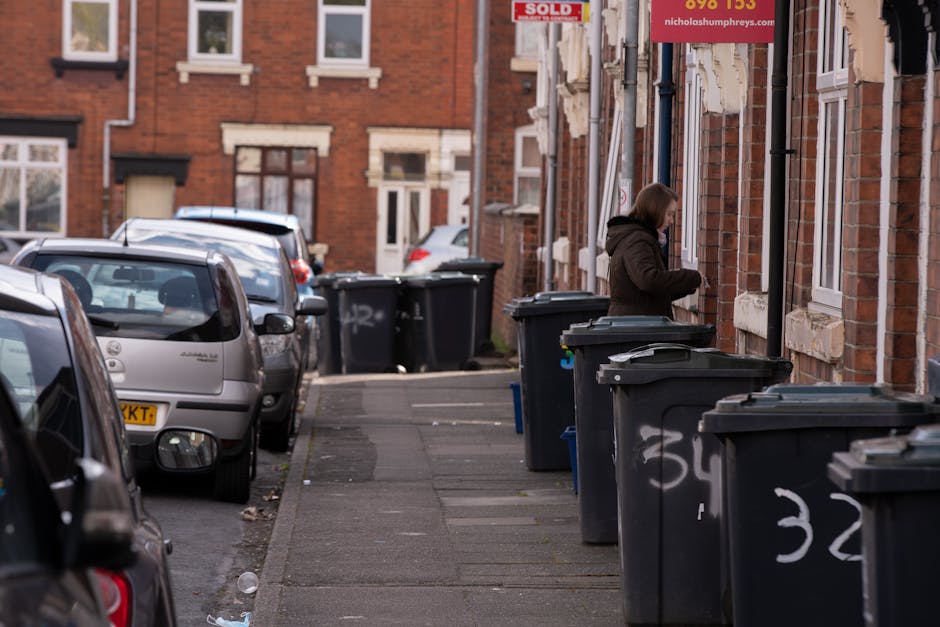
If you are trying to clear rubbish in Addiscombe, a street-by-street plan can save a surprising amount of time, money, and stress. Narrow roads, parked cars, mixed housing, shared access, and tight collection windows all change the way waste should be handled. The good news? With the right approach, Addiscombe street by street rubbish collection top tips become very practical, not theoretical. You can sort less, move faster, avoid missed collections, and keep neighbours onside. That matters whether you are clearing a flat near the station, a family home with years of clutter, or a small business that has built up broken furniture, bagged waste, and awkward bulky items. Let's break it down properly.
In this guide, you will find a realistic step-by-step method, common mistakes to avoid, a simple checklist, and a few local-minded tips that make the whole process smoother. No fluff. Just the stuff that actually helps on the day.
Why Addiscombe street by street rubbish collection top tips matters
Street-by-street rubbish collection is really about matching the job to the street. That sounds obvious, but in practice it is where most waste jobs either go smoothly or become a bit of a saga. Addiscombe has a mix of residential roads, flats, terraces, gardens, and busier routes, so the same rubbish plan will not suit every address. A route that works on a quiet side street can fall apart on a road with limited stopping space. A pile that looks manageable in a front garden can become awkward once it has to be carried around parked vehicles and tight corners.
This is why a localised approach matters. It helps you decide what should be bagged, what should be dismantled, what needs two people, and what should be loaded first. It also makes it easier to time the work so things do not sit on the pavement too long. Truth be told, that last part is where a lot of people get caught out. No one wants a neat clear-out job turning into an eyesore by lunchtime.
There is also a neighbour angle. In a place like Addiscombe, people notice if bags block the pavement or if a crew leaves a trail of packaging and dust behind. A street-smart approach keeps the job tidy and usually a lot less stressful. If you are planning a larger clear-out, it may also help to think beyond rubbish removal and look at related services such as home clearance, house clearance, or flat clearance depending on the type of property.
Expert summary: The best rubbish collections in Addiscombe are rarely the ones that move fastest in a straight line. They are the ones planned around access, sorting, lifting, and where the waste actually comes from inside the property.
How Addiscombe street by street rubbish collection top tips works
Think of street-by-street collection as a small logistics exercise, not just a tip run. You start by mapping where the waste is, how it will get out, and where it will be stored before collection. That might sound a bit grand for a few bin bags and an old wardrobe, but it stops the usual chaos.
The basic flow is simple:
- Identify all rubbish types and separate bulky items from loose waste.
- Check access from the room or garden to the street.
- Work out whether the waste should be loaded from the front, rear, or by carrying through shared spaces.
- Group similar items so lifting and sorting are quicker.
- Arrange collection when access is easiest and traffic pressure is lower.
- Remove waste in a controlled order so nothing is left behind.
In a typical Addiscombe street job, the biggest difference is often access rather than volume. A small pile of mixed waste in a second-floor flat can take longer than a bigger pile with easy driveway access. That is why planning matters more than guessing. It also explains why many people call for help on awkward jobs involving furniture disposal or broader waste removal when the clutter is mixed and the route out is less than ideal.
If you are handling waste from a garage, loft, or garden, the process changes again. A garage clearance may be mostly heavy and dusty. A loft clearance can involve fragile items, low head height, and surprise nesting debris. Garden waste brings soil, branches, and wetter material that needs different handling. Small differences. Big impact.
Key benefits and practical advantages
A properly planned street-by-street rubbish collection is not just tidier; it is usually cheaper in time and less frustrating for everyone involved. You notice it most when the work is busy or the property is awkward. Here are the main advantages.
- Faster loading: Waste is grouped in a sensible order, so crews are not constantly backtracking.
- Less risk of damage: Narrow hallways, doorframes, and shared stairwells are easier to manage when bulky items are planned in advance.
- Cleaner presentation: Bags and items do not sit around waiting to be moved.
- Better sorting: Reusable, recyclable, and general waste can be separated more effectively.
- Fewer access problems: Parking, turning space, and pavement pinch points are dealt with before the day starts.
- More predictable cost: The clearer the job, the easier it is to quote accurately.
There is also a quieter benefit: it lowers stress. If you have ever stood in a doorway at 8 a.m. thinking, "How on earth is all this going to fit out there?", you will know exactly what I mean. A strong plan gives you a sequence. And sequence is everything on rubbish day.
For commercial customers, especially offices and local trades, the benefits are even more obvious. A business that keeps waste moving in smaller, planned stages is less likely to end up with fire exits blocked or stockrooms becoming dumping grounds. If that sounds familiar, it may be worth looking at business waste removal or office clearance for a cleaner routine.
Who this is for and when it makes sense
This approach is useful for anyone dealing with more than a single bin bag or one small item. In practice, the people who benefit most are:
- homeowners clearing out clutter room by room
- tenants moving out of flats with limited storage
- landlords between lets
- small businesses with accumulated office junk
- builders and tradespeople managing mixed site waste
- garden owners dealing with branches, cuttings, and soil
- anyone with limited parking or tricky access
It makes sense when the rubbish is spread across the property, not just sitting in one convenient pile. It also makes sense if you are trying to keep disruption low. For example, if you live on a road where cars are always parked tightly and people are coming and going around school-run time, a hurried collection can become messy fast. Better to plan the route and timing than to improvise with a heavy sofa halfway across the pavement. Nobody needs that kind of drama before tea.
If the waste is mostly old furniture, you may prefer a specialist option such as furniture clearance. If it includes awkward household items, mixed clutter, or you need a full reset of a property, home clearance can be the better fit. The point is to match the method to the job, not the other way around.
Step-by-step guidance
Here is a practical way to handle it without overcomplicating things.
1) Walk the route before you move anything
Look at the full path from the waste source to the street. Check doors, stairs, lifts, gates, side access, front steps, and any awkward turns. If there is a tight corner, measure it. Even roughly. That one minute can save a lot of grunt work later.
2) Separate waste by type
Put similar items together: general rubbish, cardboard, wood, furniture, garden waste, metal, and any items that may need special handling. Mixed piles slow everything down because someone has to keep stopping to decide what is what. Not ideal.
3) Remove hazards early
Sharp objects, broken glass, nails, loose screws, damp cardboard, and damaged bags should be dealt with first. If there are items with weight inside them, test before lifting. A bag that looks light can suddenly feel like it was filled with wet bricks.
4) Stage waste in loading order
Put the heaviest and bulkiest items nearest the exit, then smaller items behind them. If you are clearing a room-by-room property, stage each room separately. That way you know what has been completed and what has not.
5) Time the collection sensibly
Earlier is usually better where access is tight. In residential streets, you often want to avoid the most congested periods. If parking is a challenge, plan for the vehicle space first. Nothing kills momentum quite like circling the road for ten minutes while a wardrobe waits on the kerb.
6) Keep one final sweep for missed items
Before anything leaves, check cupboards, loft corners, behind doors, and under beds. People always find one extra item. Usually at the worst moment. A good final sweep catches the stragglers.
For particularly awkward clearances, such as a loft packed with mixed belongings or a garage full of old tools and boxes, it may be smarter to schedule the job as a dedicated clearance rather than a simple rubbish pickup. That is where loft clearance and garage clearance come into their own.
Expert tips for better results
Here are the things that usually make the difference between a decent job and a smooth one.
- Use clear bags where practical: You can see what is inside, which helps with sorting and avoids confusion on the day.
- Break down bulky items first: Flat-pack furniture, bed frames, and shelving almost always move better when dismantled.
- Keep wet waste separate: Garden cuttings, damp cardboard, and soggy packaging can spread grime to everything else.
- Protect shared spaces: Stairwells, lobbies, and hallways should be kept clean and unobstructed.
- Label piles if multiple people are involved: A simple marker or note can save endless "where does this go?" conversations.
- Think about the final destination: Reuse, recycling, and disposal are not the same thing, and the best outcome depends on what you are clearing.
A small but useful habit: keep a separate "unsure" pile. Just one. If an item needs checking, do not let it infect the whole process. It sounds minor, but it keeps the job moving. Small trick, big payoff.
For example, if you are clearing a living room and find a mix of old books, broken lamps, packaging, and a chair that still has life in it, pull the reusable item aside. The rest can be sorted more cleanly. That kind of thinking lines up well with recycling and sustainability, which matters more than people sometimes admit when the pile is right in front of them.
Common mistakes to avoid
Most waste jobs go wrong in predictable ways. The good thing is, they are avoidable.
- Leaving everything until collection morning: That leads to rushed sorting and missed items.
- Mixing all waste together: It slows loading and can create handling issues.
- Underestimating access: A staircase or narrow gate can change the whole plan.
- Forgetting parking constraints: This is a classic. The van cannot magically squeeze into thin air.
- Ignoring shared access rules: Flats and converted houses often need extra care.
- Assuming all bulky items are the same: A mattress, wardrobe, and broken desk each behave differently when moved.
- Overfilling bags: Overloaded bags are awkward and unsafe to carry.
One of the biggest mistakes is treating rubbish collection as a single action rather than a sequence. The sequence matters. It really does. If you do not stage the waste properly, the best collection crew in the world still has to work around avoidable friction.
If you are unsure how much of the job is commercial waste, household waste, or mixed material from a renovation, it may be better to review related services like builders waste clearance before you book. Mixed building debris, plaster, timber, and packaging need a different rhythm from a standard household clear-out.
Tools, resources and recommendations
You do not need a complicated kit, but a few basics make life much easier.
- Sturdy gloves: Good grip and protection for handling sharp edges or dusty items.
- Heavy-duty sacks: Useful for mixed household waste and smaller debris.
- Tape measure: Helpful for checking whether furniture can pass through tight gaps.
- Marker pens and labels: Great for staging and sorting.
- Dust sheets or old blankets: Useful for protecting floors and doorframes.
- Basic screwdriver or tool kit: Handy for dismantling furniture.
- Trolley or sack truck: Very useful where items are heavy and access is longer than expected.
On the planning side, one of the best resources is simply a good quote conversation. A proper quote should consider access, waste type, volume, and the likelihood of bulky items or extra labour. If you are comparing options, it can help to review pricing and quotes so you know what affects the final figure. Not every job is priced the same, and that is fair enough.
If the job involves a lot of furniture, check whether the furniture is reusable, repairable, or destined for disposal. The difference can affect both planning and the amount of handling required. And if you want to understand the company background before you book, about us is there for a reason.
Law, compliance, standards, or best practice
For waste work in the UK, the safe rule of thumb is simple: use responsible disposal methods, keep waste under control, and make sure it is handled by a legitimate operator where required. You do not need to be a legal expert to do this well, but you do need to be careful. Waste should not be fly-tipped, left in a way that creates obstruction, or handled without regard for safety.
Best practice usually includes:
- keeping waste contained and secured
- avoiding obstruction of pavements, entrances, or fire routes
- separating recyclables where possible
- handling sharps and broken items carefully
- protecting workers and residents from avoidable injury
- making sure collections are arranged through a trustworthy provider
If you are disposing of business waste, there are extra responsibilities around correct handling, record-keeping, and duty of care. That does not mean you need to drown in paperwork, but it does mean the job should be handled properly. A reputable provider should be able to explain how waste is managed in plain English. If safety is a concern, it is sensible to review health and safety policy and insurance and safety information before you proceed.
For sustainability-minded jobs, it also helps to understand how waste is sorted for reuse and recycling. That is where recycling and sustainability can give useful reassurance. You do not need a lecture. Just clear, sensible practice.
Options, methods, or comparison table
There is more than one way to manage rubbish collection in Addiscombe, and the right method depends on the volume, access, and urgency. Here is a straightforward comparison.
| Method | Best for | Strengths | Limitations |
|---|---|---|---|
| DIY bag-and-car load | Very small amounts of waste | Low-cost if you already have transport | Time-consuming, tiring, and awkward for bulky items |
| Planned street collection | Mixed household waste and manageable access | Efficient, tidy, and better for sorting | Needs preparation and space outside |
| Full property clearance | Large clear-outs, moves, or probate-related jobs | Covers more ground in one visit | More planning needed; can feel intense if left too late |
| Specialist item removal | Furniture, appliances, or awkward bulky items | Safer for heavy pieces and narrow access | Not ideal for mixed clutter unless combined with other services |
To be fair, the best option is often a blend. A household may need furniture disposal for the large items, waste removal for the mixed leftovers, and a small amount of sorting beforehand so the process stays efficient. One job. Three little decisions. That is usually how it goes.
Case study or real-world example
Picture a typical Addiscombe terrace with a loft full of boxes, a front room with an old sofa, and a back garden stacked with damp plant cuttings and broken pots. Nothing dramatic. Just accumulated life. The owner wants the place cleared before new flooring goes in, but the street has limited parking and neighbours use the road heavily throughout the day.
A sensible street-by-street approach would start by separating the job into zones: loft items, indoor furniture, and outdoor waste. The bulky sofa would be moved first because it blocks the easiest path and needs the most space. Next would come the boxes from the loft, sorted into keep, recycle, and remove piles. Last would be the garden waste, because it is messy and easier to manage once the dry clutter is already out. The result is a cleaner flow, fewer trips, and less chance of dragging mud through the hallway.
What made the difference in this kind of job was not force. It was order. The household knew what was leaving, what was staying, and what needed disassembly before collection. A couple of careful decisions at the start saved a good deal of faffing about later on. Honestly, that is the pattern you see time and time again.
Practical checklist
Use this before collection day:
- Walk the access route from the property to the street
- Separate general waste, bulky items, and recyclables
- Remove hazardous or sharp items safely
- Dismantle furniture where possible
- Measure tight doorways, stairs, or gates if needed
- Check parking and vehicle access
- Stage items in the order they will be loaded
- Keep pathways and shared areas clear
- Protect floors, walls, and doorframes
- Do a final sweep for forgotten items
- Confirm any special handling needs in advance
If your clear-out spans several rooms or includes awkward storage areas, it can be worth aligning the job with a broader service such as garage clearance or loft clearance. That way, the collection stays organised rather than turning into a pile of half-sorted surprises.
Conclusion
Addiscombe street by street rubbish collection top tips come down to one thing: plan the waste around the street, not just around the pile. Once you think in terms of access, sequence, safety, and sorting, the job becomes much easier to manage. The road feels less like a problem and more like part of the plan. That shift matters.
Whether you are clearing a home, a flat, a garden, or a work space, the same principles apply. Keep it tidy. Keep it separated. Keep it moving. A little care up front usually saves a lot of stress later, and that is especially true on busy residential streets where timing and courtesy count for a lot.
If you are comparing options for a local rubbish job, it is sensible to check service information, safety details, and pricing before you book. A straightforward conversation at the start can spare you a messy afternoon. And yes, sometimes the most practical answer is also the simplest one.
Get a free quote today and see how much you can save.
Frequently Asked Questions
What does street by street rubbish collection actually mean?
It means planning rubbish removal around the access, layout, and flow of a specific street rather than treating every job the same. In Addiscombe, that can make a big difference because roads, parking, and property types vary a lot.
Is this approach better for flats or houses?
Both, but it is often especially useful for flats because stairs, shared hallways, and tighter access add time and risk. That said, houses with rear access issues can benefit just as much.
How do I know whether I need furniture clearance or general waste removal?
If the main items are sofas, beds, wardrobes, or other bulky pieces, furniture clearance may be the better fit. If the job is mixed clutter, packaging, and bagged rubbish, waste removal is often more suitable.
Can I mix garden waste with household rubbish?
You can in some cases, but it is usually better to keep them separate where possible. Garden waste is often damp, heavier, and messier, which can make loading and sorting slower.
What should I do if parking is limited on my street?
Plan the collection time carefully, keep the waste staged close to the exit, and make sure the route is clear before anything is moved. Limited parking is one of the biggest reasons collections run late.
How do I avoid making a mess in communal areas?
Use dust sheets where sensible, carry items carefully, and remove waste in a planned order. A quick final sweep of hallways and entrances is worth the effort.
Is it worth dismantling furniture before collection?
Usually, yes. Flat-packed or dismantled furniture is easier to carry, safer to move, and often quicker to load. It can also help you spot recyclable parts more easily.
What kind of items cause the most problems?
Oversized wardrobes, broken sofas, wet garden waste, mixed sharp materials, and overloaded bags tend to cause the most hassle. They slow the job down and can be awkward to move through tight access.
Should I ask for a quote before I start sorting?
Yes, if possible. A quote is usually more accurate when the provider understands the waste type, access, and volume. That way, you can sort with the right plan in mind.
What if I have waste from a loft or garage as well?
Then it is usually smarter to treat those spaces as part of the larger clearance rather than as separate last-minute jobs. Garage clearance and loft clearance are often the cleanest way to handle those areas.
How can I make sure the waste is handled responsibly?
Choose a provider that explains its process clearly, separates waste sensibly, and handles disposal in line with accepted UK best practice. A little transparency goes a long way.
When does a full house clearance make more sense than a street-by-street collection?
If you are clearing multiple rooms, handling a move, or dealing with a large amount of mixed content, a full house clearance is often more efficient. It keeps the job organised and can reduce repeated visits.
If you want to learn more about the team behind the service, you can also visit about us. And if you are ready to talk through a job, the natural next step is to use the contact page on the site.
Sometimes rubbish collection looks like a mountain from the pavement. Then you sort it properly, one street, one pile, one decision at a time, and it becomes manageable again. That is the real tip, really.