Garden Clearance in Croydon
Garden clearance in Croydon is a practical way to clear overgrown, cluttered or neglected outdoor areas and make them ready for the next stage of use. Whether the task involves a rear garden, front plot, side return or a shared outdoor space, our work focuses on removing the material that is getting in the way of a tidy, usable finish. That can include green waste, general outdoor rubbish and bulky items that have built up over time. The aim is straightforward: a clearer space that is easier to manage and simpler to put back into order.
We handle clearance jobs with an eye on the different materials that often appear in a garden. Branches, hedge trimmings, leaves, soil, broken pots, timber offcuts and damaged outdoor furniture all need slightly different handling, and a mixed load should be separated sensibly rather than treated as one undifferentiated pile. Good garden clearance is not just about lifting waste; it is also about sorting what can be re-used, what should be recycled and what needs careful disposal. That approach helps keep the work orderly from the first lift to the last sweep.
If you are comparing options, the useful question is what kind of clearance your garden actually needs. Some spaces need a one-off tidy after a seasonal cut-back, while others need heavier attention because old materials, planters, fencing pieces or general rubbish have accumulated. A sensible quotation should reflect the volume, access and type of waste involved. If you are planning a clearance in the Croydon area, you can start by asking for a quote and describing the space in plain terms.
Garden waste and mixed outdoor rubbish
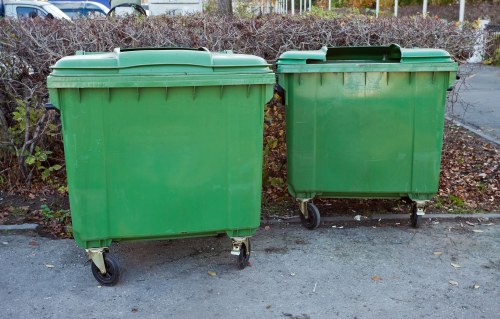
Not every garden clearance is purely green waste. In many homes the job includes a mix of organic material and household items that have ended up outside over the years. We clear grass cuttings, pruning waste, brambles, weeds and leaves alongside common outdoor clutter such as cracked plant pots, bags of rubbish, old storage boxes and weathered plastic items. Mixed loads are best approached carefully so that recyclable material does not get buried under everything else. That makes the work tidier and usually more efficient for the customer.
In practical terms, the first decision is whether the garden needs a light tidy or a fuller clear-out. Light work may involve removing a few bags of waste and tidying up cuttings after maintenance. Heavier jobs can include dismantling and loading larger pieces from sheds, patios or neglected corners. The goal is always to leave the outdoor area easier to use, with the main obstacles removed and the waste taken away responsibly. If you need help deciding what should stay and what should go, our team can talk through the scope before work begins.
For customers who want to compare pricing or plan a larger job, a clear description of the site helps more than a long explanation. Mention the size of the garden, the main waste types, any awkward access and whether the material is piled loosely or packed into corners. If the clearance is part of a bigger spring tidy-up, it can also help to note whether paths, patios or flower beds need to be kept clear while the waste is moved. For a broader view of costs, see our pricing and quotes information.
Overgrown plots, hedges and untidy boundaries

Some garden clearances are driven by overgrowth rather than rubbish. When hedges, climbers, self-set growth and trailing weeds take over, the space can become difficult to walk through or even difficult to assess properly. Clearance work in these situations is about creating access again, not only removing waste. We can deal with the cut material once it has been taken down, but the important first step is to reduce the bulk and bring the area back to a manageable state. That is especially useful where a boundary, path or rear access route has been partially blocked.
Overgrown sections often reveal more than they first appear to. Once the growth is cut back and removed, it may become clear that there are old pots, damaged edging, collapsed trellis, hidden litter or broken garden furniture underneath. A careful clearance should account for that layered mix rather than assuming the job ends with the first load. This is one reason why a site-specific quotation is useful: a garden that looks simple from the outside can still contain a surprising amount of material once the work starts.
What is usually dealt with in this type of clearance
- Dense weed growth and brambles
- Cut branches, hedge clippings and trimmings
- Discarded garden items and broken outdoor fittings
- Loose rubbish gathered from borders, corners and pathways
Patios, sheds and storage areas
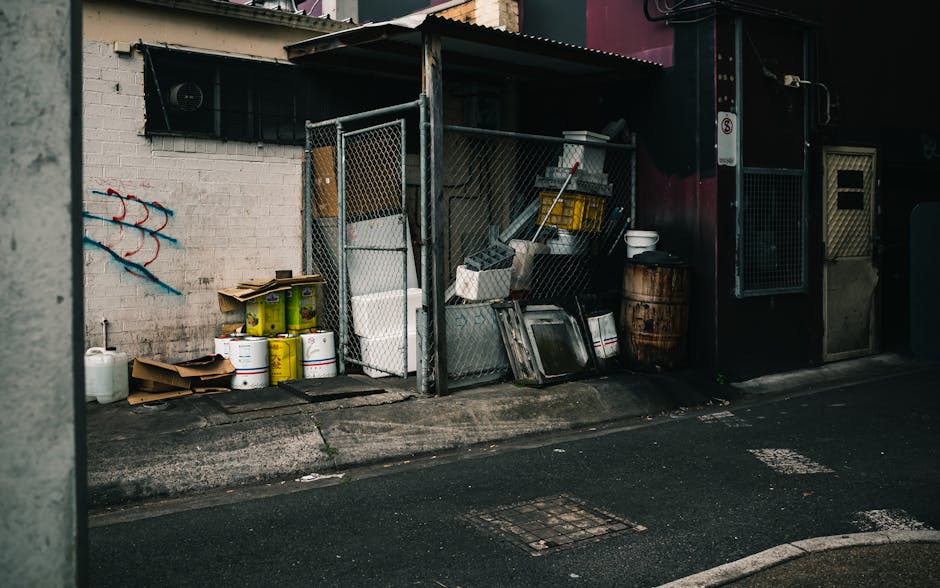
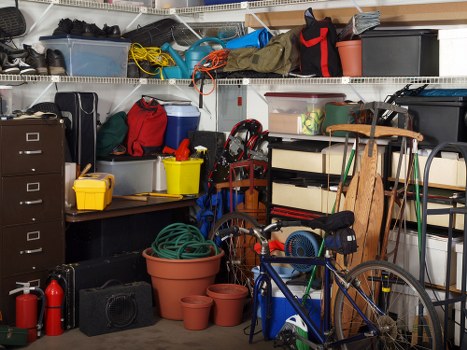
Garden clearance often extends beyond the planting areas themselves. Patios, sheds, side passages and storage corners tend to collect the things that do not fit neatly anywhere else. That can mean broken tools, old containers, damp cardboard, rusting metal pieces or seasonal items that have been left to accumulate. Clearing these spaces properly helps the whole outdoor area feel more ordered, especially when the aim is to regain usable floor space rather than simply move clutter from one corner to another.
Where a shed or storage nook is involved, it is useful to think in terms of categories: salvageable items, recycling, waste and anything that needs careful handling because of sharp edges or damp contents. We can remove the contents of these areas as part of a garden clearance, but we do not treat every item as identical. A measured approach keeps the work safer and makes it easier to clear the space without needless disruption. That matters if the shed is attached to the property, the patio is tight for access or the clearance has to happen without damaging surrounding features.
If you want to prepare for a quotation, a brief list of the main items is usually enough. A few photographs, a note about access and an indication of whether the shed, patio or garden path is fully clear can help shape the estimate. For more information about our broader outdoor clearance work, you can visit the garden clearance service page. If the job is part of a larger property clear-out, our home clearance page may also be useful.
Green waste handling and sensible separation
Green waste is usually the most obvious part of a garden clearance, but it still benefits from proper handling. Fresh cuttings, dead branches, roots, turf, leaves and weeds all behave differently when loaded and moved. Heavier wet material can compact quickly, while lighter trimmings may take up more space than expected. We approach this carefully so the load is stable and the clearance remains orderly. That helps avoid unnecessary mess and makes the final finish cleaner when the garden has been emptied.
There is also a difference between waste that is purely organic and waste that only looks like garden material at first glance. A pile of cuttings may conceal wire, plastic supports, broken stakes or pieces of old fencing. Separating those items matters because it supports more responsible disposal and prevents the wrong materials from being mixed together. Thoughtful sorting is part of the service, not an extra flourish, and it is one of the reasons a site description is more useful than a vague estimate of how many bags there might be.
For many customers, the best next step is simply to outline the scope and ask for a quotation. If you have a mixed pile, mention whether it is mostly green waste, mostly rubbish or a combination of both. If the material is spread across the garden rather than stacked in one place, say so; that changes how the work is planned. You can also read about our approach to recycling and sustainability if you want to understand how different waste streams are considered.
When a garden needs a fuller clear-out
Some outdoor spaces need more than a tidy-up. A fuller garden clearance is often needed after tenants have moved out, after a long period of neglect or before landscaping begins. These jobs may involve a wider range of debris, from old plant containers and timber offcuts to household rubbish that has found its way outdoors. The work can be more time-consuming because the clearance has to be done carefully across multiple sections, not just lifted from a single pile. A tidy result depends on removing the clutter in a structured way.
We aim to keep the process practical and unhurried enough to be thorough without turning it into a drawn-out exercise. Where there are layers of waste, it often makes sense to clear the visible items first, then move back through borders, corners and awkward edges. That sequence helps avoid missing smaller debris beneath larger pieces. In a fuller garden clear-out, the customer also benefits from having the space assessed as a whole, because it becomes easier to decide whether the aim is a simple emptying job or a more complete reset of the outdoor area.
If you need more than a basic tidy, say so at the quotation stage. The more clearly you describe the state of the garden, the easier it is to set out the work properly. You can also ask about related services such as furniture disposal if the garden includes outdoor seating, broken storage units or other bulky items that should be removed as part of the same visit.
Clearance planning, access and practical preparation

Good preparation helps any garden clearance go smoothly, especially where access is narrow or the waste is spread through several parts of the property. It helps to note whether there is direct access to the garden, whether items need to be moved through the house, and whether anything fragile, planted or fixed should be avoided. Those details are more useful than a guess about how long the job might take. They also help us think ahead about the best way to reach the waste without disturbing the rest of the space.
A second useful point is how the waste is presented. Loose piles, bagged material and stacked items each affect the handling of the job. If some parts of the clearance have already been sorted, that can be mentioned too, but it is not essential. The main aim is to provide enough detail for a sensible quotation. A clear description is usually better than trying to label every item perfectly. If the garden forms part of a wider property project, our house clearance page explains how larger clear-outs can be approached alongside indoor work.
Useful details to mention when requesting a quote
- The approximate size of the garden or outdoor space
- The main types of waste present
- Whether the waste is loose, bagged or stacked
- Any access limits, narrow routes or steps
- Items that need careful handling because they are sharp, heavy or fragile
About Croydon
Croydon is a large district in south London with a long history that reaches from an early market town to a major urban centre shaped by transport, commerce and successive waves of building. The town grew significantly in the nineteenth century after the arrival of the railways, and that expansion left a varied built environment still visible today. The High Street and surrounding streets show a layered mix of older structures, commercial buildings and later redevelopment, while nearby areas include stretches of Victorian and Edwardian housing that reflect different phases of suburban growth. Croydon has also been associated with aviation history, most notably through the former Croydon Airport site, which is now remembered as an important early civil aviation location.
The modern borough includes a broad range of green spaces and civic landmarks. Lloyd Park offers open grassland, woodland walks and views across a sizeable public parkland setting, while Wandle Park sits near the River Wandle and forms part of the borough’s network of urban green space. The town centre itself is known for large retail and office development, but it also contains cultural venues such as Fairfield Halls, which has long served as a prominent performance and event space. Elsewhere, Croydon’s churches, libraries and local centres help show how the district combines administrative importance with everyday neighbourhood life. The area’s geography stretches from denser central streets to quieter residential edges, creating a place with both urban scale and local variety.
Bulky garden items and mixed household waste
Not every outdoor clearance is made up of light material. Gardens can contain benches, broken chairs, disused tables, damaged storage boxes, rotted timber and other bulky items that need to be lifted out carefully. When these objects have been outside for a long time, they may also be weathered, damp or partially broken, which makes them awkward to move. We deal with those items as part of a garden clearance, taking care to remove them in a way that keeps the rest of the area as undisturbed as possible.
Some customers also need help when household items have drifted outside and become part of the garden clutter. That can include bags of rubbish, old toys, discarded fittings or mixed materials that are no longer wanted indoors or out. In these cases, it is sensible to think about the whole load rather than each object in isolation. The quotation can then reflect the actual work involved instead of relying on a rough guess. If the clearance includes indoor pieces too, our furniture clearance page may be relevant, especially where the garden and house contents are being handled together.
For larger mixed loads, it is worth making one final check of what should stay before the work begins. That is not about being over-cautious; it simply helps avoid removing anything that still has a use. Once the unwanted material is identified, the task becomes easier to organise and the result more dependable. If you are ready to move forward, you can request a quotation and outline the items you want cleared.
Choosing the right garden clearance approach

Different gardens call for different levels of intervention, so it helps to match the clearance method to the state of the space. A lightly used garden with a few bags of waste may only need a straightforward collection, while a neglected plot with growth, litter and bulky items may need a more involved visit. We tailor our garden clearance work to the material present rather than forcing it into a single pattern. That keeps the service practical and makes the final space easier to hand back in a usable condition.
The right approach also depends on what the customer wants to achieve after the waste has gone. Some people want an empty patch ready for maintenance, others want a cleaner base for planting, and some simply need the area made safe and passable again. Those goals affect how the work is paced and what gets prioritised. If you are not sure which description fits your garden best, a simple explanation of the current state and the result you want is usually enough to start the conversation. We can then build the quotation around the actual task.
Ready for the next step? Tell us what needs clearing and ask for a quotation today. If you would like to see the broader waste services we offer, the waste removal page gives another route into the same kind of practical, straightforward service.