Narrow street bulky rubbish in Croydon access solutions
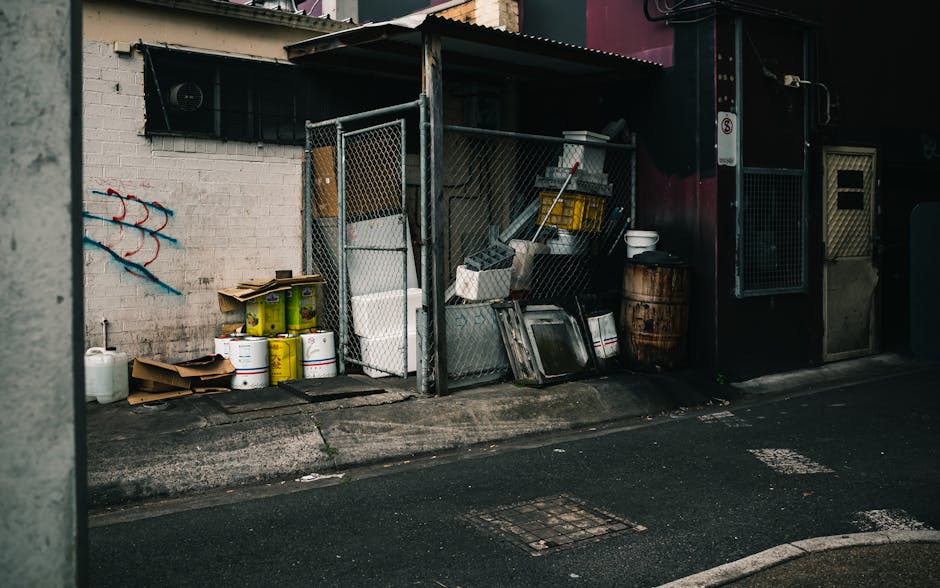
Getting rid of bulky rubbish is awkward enough on a normal road. Put that same job in a tight Croydon side street, with parked cars, low branches, awkward corners, and neighbours trying to get in and out, and suddenly the whole thing needs a different approach. That is exactly where Narrow street bulky rubbish in Croydon access solutions comes in. It is not just about removing waste; it is about making removal possible without damage, delays, or unnecessary stress.
If you are dealing with an old sofa that will not fit through the front door, a broken wardrobe wedged up a hallway, builders' offcuts stacked in a narrow passage, or garden waste sitting at the back of a property that is hard to reach, the answer is usually planning first and lifting second. In this guide, we will look at what works, what tends to go wrong, and how to choose the smartest route for your property or site in Croydon.
To make this genuinely useful, the article covers access, safety, timing, local practicalities, and the sort of real-world details people often only find out after a wasted booking. Let's face it, no one wants to discover on arrival that the van cannot park anywhere near the front door.
Why Narrow street bulky rubbish in Croydon access solutions Matters
Narrow streets change everything. A straightforward bulky waste collection can become difficult if the vehicle blocks traffic, if there is nowhere legal to stop, or if the waste has to be moved a long distance by hand. In Croydon, that can mean residential terraces, older streets with tighter carriageways, cul-de-sacs with limited turning space, or properties where access is shared and unpredictable.
The main issue is not just inconvenience. Poor access planning can create avoidable risks:
- damage to walls, doors, floors, or vehicles
- longer loading times and higher labour effort
- blocked pavements or roadways
- neighbour complaints
- missed collections because the item could not be removed safely
Bulkier items are often the hardest because they are unwieldy rather than heavy in a neat, manageable way. A mattress can bend and scrape. A fridge can be awkward on stairs. A broken wardrobe may need dismantling before it can even leave the room. Narrow access solutions are about reducing friction at every step, and that makes the whole job smoother.
There is also a commercial side. If you are a landlord, letting agent, builder, facilities manager, or homeowner preparing a move, delays cost time. For some jobs, that time is more expensive than the removal itself. That is why good access planning is not a luxury. It is part of the service.
Practical takeaway: the tighter the street, the more important it is to plan the route, the parking point, the item handling method, and the loading sequence before anyone starts lifting.
If you are clearing a property alongside other waste types, you may also want to look at broader waste removal options or, for heavier mixed loads from works and refurbishments, builders' waste clearance. For household clear-outs, home clearance and house clearance are often a better fit than trying to treat everything as isolated items.
How Narrow street bulky rubbish in Croydon access solutions Works
At ground level, the process is simple: assess the access, choose the right vehicle and method, remove the item safely, then load and dispose of it responsibly. In practice, though, the assessment is doing most of the work.
Here is what a sensible access-led collection usually involves:
- Pre-check the access - width of the street, parking availability, gates, alleyways, stairwells, and any overhead obstacles.
- Identify the bulky items - size, weight, fragility, and whether they can be dismantled.
- Plan the carry route - from the room, yard, shed, or garage to the vehicle.
- Choose the right loading method - manual carry, two-person lift, sack truck, trolley, or partial dismantling.
- Prepare the site - clear trip hazards, protect floors if needed, and make sure doors and gates can stay open safely.
- Load efficiently - bulky items usually go first or in a way that prevents crushing and movement.
- Sort for reuse, recycling, or disposal - depending on the item's condition and the service offered.
That sounds tidy on paper. Real life is messier. A street may look wide enough until two cars are already parked opposite each other. A sofa may fit through the hallway, but not the tight turn at the bottom of the stairs. Or the item may not be the issue at all; it is the path to the item that causes the headache.
Good operators work around that. Sometimes it means arriving at a quieter time of day. Sometimes it means using a smaller vehicle and doing a short hand-carry. Occasionally, the only sensible answer is to dismantle the item on site. Nothing glamorous there, but it works.
For furniture-heavy jobs, the right approach often overlaps with furniture disposal or furniture clearance, especially where wardrobes, beds, drawers, or bulky seating need to come out of a tight home. If the property is a flat or upper-floor dwelling with limited access, flat clearance may be the more relevant service model.
Key Benefits and Practical Advantages
The real benefit of a narrow-street solution is not just that rubbish gets removed. It is that the job gets done without turning the street into a problem for everyone else.
Some of the biggest advantages are:
- Less disruption - better parking and carry planning means less blocking and less noise.
- Lower risk of damage - careful handling reduces bumps, scrapes, and bruised knuckles. Yes, the bruised knuckles are a real part of this job.
- Faster collections - once access is understood, loading tends to be much smoother.
- Better cost control - fewer surprises usually mean fewer delays and fewer extra labour hours.
- More realistic scheduling - you are less likely to be let down by an over-optimistic booking.
- Cleaner compliance - waste is taken away properly, rather than being left in a pile because no one can get close enough.
There is also a stress benefit that people underestimate. If you have ever tried to move a bulky item while standing in a narrow passage with a neighbour waiting behind you, you will know the mood changes quickly. Planning access turns that tense, awkward shuffle into something calm and organised.
For businesses, narrow-access waste planning can protect the customer experience too. Offices, shops, hospitality venues, and managed buildings need collections that do not interfere with staff movement or visitors. That is where office clearance or business waste removal may be better suited than a generic one-off removal.
Who This Is For and When It Makes Sense
This kind of solution suits anyone dealing with bulky items where access is tight, but some situations come up again and again.
Homeowners and tenants
If you are replacing old furniture, clearing a spare room, emptying a shed, or dealing with items that will not fit into a car, narrow street planning saves a lot of hassle. It is especially useful where front gardens are small or front doors open directly onto the pavement.
Landlords and letting agents
End-of-tenancy clearances often need speed. A property on a narrow street may have limited parking and several items left behind by tenants. In that case, a well-planned clearance can reset the property quickly and avoid complaints from neighbours or incoming occupiers.
Builders and renovation teams
Construction waste in tight streets is a classic challenge. Skips are not always practical, and loose waste can create access issues very quickly. For mixed debris, broken fittings, and stripped-out materials, builders' waste clearance is often the most efficient route.
Businesses and offices
Office furniture, archive items, filing cabinets, and broken equipment often need discreet removal without disrupting staff or customers. Access is frequently the hidden challenge, not the quantity of waste. That is where a planned visit beats an improvised one.
Garages, lofts, and outbuildings
Sometimes the item is close to the vehicle but still awkward because the route is narrow or cluttered. In those cases, garage clearance or loft clearance may require careful path planning and a bit of dismantling. Truth be told, lofts are rarely straightforward the first time round.
Step-by-Step Guidance
If you want the smoothest possible result, follow a simple sequence. Nothing fancy. Just the stuff that prevents avoidable trouble.
- Measure the bottlenecks
Check the narrowest point: gate, hallway, staircase, side passage, driveway, or street access. A quick tape measure beats guesswork every time. - Photograph the item and route
One or two clear photos can tell you whether the item needs dismantling or a second pair of hands. - Clear the route before collection
Move shoes, bins, bikes, plant pots, and anything that will snag a carry. It sounds obvious. People still forget. - Decide whether items can be dismantled
Bed frames, wardrobes, desks, and shelving often become much easier once broken into sensible parts. - Think about parking before the vehicle arrives
On a narrow street, parking can be the difference between a five-minute load and a very awkward twenty-minute shuffle. - Confirm what must go and what stays
Mixed clearances often get slower because the crew has to keep checking what is being removed. A labelled pile helps. - Prepare for disposal or recycling
Not all bulky rubbish is treated the same. If something can be reused or recycled, it may be handled separately.
One useful habit: create a quick "do not take" corner if there are items you are keeping. It avoids the classic last-minute panic where someone points at a lamp and says, "Actually, maybe not that one." We have all seen it happen.
If the clearance also includes clutter from every room, a broader home clearance service can be more practical than treating each item as a standalone job. For properties with lots of mixed household goods, that often keeps the whole process calmer.
Expert Tips for Better Results
A few small decisions make a big difference when access is tight.
- Schedule early in the day if possible. Streets are often calmer, and there may be fewer parked cars blocking the route.
- Keep one clear point of contact. If there is a landlord, tenant, builder, or site manager involved, choose one person to make decisions on the day.
- Use better photos than better descriptions. "Big old wardrobe" does not help much. A photo of the staircase does.
- Assume the tightest point is the real problem. The item may be fine in the room and impossible at the front gate.
- Protect surfaces where needed. Older hallway paint, polished floors, and shared entrances can mark easily.
- Separate sharp or fragile materials. Broken glass, metal edges, and splintered timber need special handling.
Another small but useful point: if the street is often busy, ask whether the removal can be timed around school runs, refuse collections, or delivery peaks. It is not always possible, but when it is, things feel much more manageable.
For companies that need predictable invoicing and controlled service arrangements, pricing and quotes can help set expectations before anyone turns up. And if the job involves ongoing waste streams, business waste removal is usually a better operational fit than repeated ad hoc visits.
Common Mistakes to Avoid
A lot of access problems are entirely preventable. Here are the ones that cause the most trouble.
- Assuming the van can park outside - narrow streets often look friendlier than they are.
- Not checking the route from the item to the road - inside access matters as much as street access.
- Leaving the job half-prepared - if items are still buried under boxes, the collection slows down quickly.
- Forgetting about stairs and corners - one tight turn can undo an otherwise easy plan.
- Mixing waste types without warning - furniture, rubble, electricals, and garden debris may need different handling.
- Ignoring access restrictions - low bridges, height barriers, locked gates, and resident-only parking all matter.
A subtle mistake is booking the wrong kind of clearance. If the property is a flat, the route may involve more lifts, stairs, and shared access than a house. If the waste is mostly old seating, then furniture clearance or furniture disposal may be the cleanest option. If it is a loft stuffed with mixed household clutter, a focused loft clearance may fit better.
Also, do not underestimate the time needed to move a single bulky item from the back of a property to the road. One sofa can be more awkward than ten small bags. Weird, but true.
Tools, Resources and Recommendations
You do not need specialist equipment for every job, but the right tools make narrow-access collections safer and faster.
- Tape measure - useful for checking gates, hallways, stair widths, and turning points.
- Mobile photos or video - the easiest way to show the route and item size.
- Basic dismantling tools - only where safe and appropriate, and never for anything hazardous.
- Gloves and sturdy footwear - standard common sense, really, but worth saying.
- Trolley or sack truck - helpful for stable items on short, level routes.
- Protective floor covers or blankets - useful in shared hallways or polished interiors.
For many Croydon properties, the smartest preparation is not buying more kit. It is simply sending the right information in advance. Photos of the item, the front access, the street, and any stairs can save a lot of back-and-forth later.
If you are arranging a larger household clear-out, it may also help to review the provider's wider service pages, such as house clearance and flat clearance, so you can choose the right service level from the start rather than trying to force a one-item job into a full-property scenario.
Law, Compliance, Standards, or Best Practice
When bulky rubbish is removed from a narrow street, the practical challenge is obvious. The compliance side is less visible, but it matters just as much.
In UK practice, waste must be handled responsibly, and it is sensible to work with a provider that can manage collection, transport, and disposal in a way that aligns with legal and environmental expectations. You do not need to become an expert in waste law yourself, but you should expect clear handling, sensible documentation where relevant, and a professional approach to safety.
Best practice in narrow-access work usually includes:
- checking whether parking or loading could create a hazard
- avoiding blocked driveways, pavements, or emergency access routes
- protecting property during lifting and moving
- separating reusable, recyclable, and general waste where practical
- handling electrical items, sharp items, and breakables carefully
For peace of mind, it is also sensible to review a provider's public-facing policies. On this website, useful examples include health and safety information, insurance and safety details, and recycling and sustainability guidance. Those pages help set expectations about how the work is approached, what care is taken, and how waste is treated after collection.
If a service provider is clear about process, pricing, and safety, that is usually a good sign. If they are vague about all three, well, you may want to keep looking.
Options, Methods, or Comparison Table
Different access problems need different solutions. The right choice depends on the item, the location, and how tight the route is. Here is a simple comparison to help.
| Method | Best for | Pros | Limitations |
|---|---|---|---|
| Manual carry from door to vehicle | Short, clear routes and lighter bulky items | Simple, flexible, low equipment needs | Hard work on stairs or long carries |
| Two-person lift | Sofas, mattresses, wardrobes, awkward furniture | Safer for heavy or unwieldy items | Needs space, coordination, and good timing |
| Dismantling on site | Large furniture and items blocked by tight turns | Makes difficult items manageable | Takes extra time and careful handling |
| Smaller vehicle access plan | Narrow roads with parking pressure | Improves access where larger vehicles struggle | May require more trips or transfer loading |
| Full-room or full-property clearance | Multiple bulky items or mixed waste | Efficient for bigger jobs and emptying spaces | Less ideal for one-off small removals |
As a rule of thumb, the more constrained the street, the more valuable it is to simplify the load rather than fight the access. Sometimes a quick dismantle is the difference between a smooth job and an exhausting one. Not glamorous, but very effective.
Case Study or Real-World Example
Here is a realistic example. A homeowner in a Croydon terrace needed two old wardrobes, a sofa, and several bags of mixed clutter removed before decorating. The road was narrow, there was parking on both sides, and the front garden path was only just wide enough for one person at a time.
At first glance, it looked simple: park nearby, carry the items out, job done. But the access route told a different story. The wardrobes were too tall to turn in the hallway, and the sofa could not clear the stair landing in one piece. So the approach changed.
The crew measured the key points, dismantled the wardrobes, protected the flooring near the tightest corners, and staged the items in a clear sequence by the door. The vehicle was parked where it could be loaded without blocking the street for long. The whole job moved at a steady pace, with no drama, no scuffed walls, and no angry neighbour leaning over the fence asking how much longer it would take.
That is the practical value of access-led planning. The waste is the same. The items are the same. The difference is that the method respects the space.
For similar projects involving old household furniture, you may find the most relevant starting point is a furniture-based service such as furniture clearance. If the job is more general and covers several rooms, a broader home clearance may be the better fit.
Practical Checklist
Use this before the collection day.
- Measure the narrowest gate, hallway, stair, or passage.
- Take clear photos of the items and the access route.
- Check whether parking near the property is realistic.
- Move bins, bikes, plant pots, and loose clutter out of the way.
- Confirm whether any item needs dismantling.
- Separate items you want removed from items you are keeping.
- Tell the provider about steps, low ceilings, or tight turns.
- Flag any sharp, fragile, or very heavy items in advance.
- Ask about recycling or reuse where relevant.
- Make sure someone is available to answer access questions on the day.
Quick summary: the best narrow-street job is the one planned before the van arrives. A few photos, a bit of measurement, and honest communication usually solve more problems than brute strength ever will.
If you want a clearer view of service options, the most helpful next step is often to compare the relevant pages, then ask for a quote that reflects your access conditions. For many customers, pricing and quotes gives the best starting point for that conversation.
Conclusion
Narrow streets do not have to turn bulky rubbish removal into a headache. With the right planning, the right equipment, and a sensible approach to access, even awkward collections can be handled safely and efficiently. In Croydon, where streets and property layouts vary quite a bit, that flexibility matters more than people sometimes expect.
The main lesson is simple: do the access thinking first. Once the route is understood, everything else becomes easier - from lifting and loading to timing and disposal. Whether you are clearing furniture, household clutter, office waste, or mixed renovation debris, the right method saves time, protects property, and reduces stress for everyone involved.
And if the job feels more complicated than it should, that is usually a sign to slow down and plan it properly rather than forcing it. A calm, careful removal is almost always the better one.
Get a free quote today and see how much you can save.
With the right approach, even a tight Croydon street can feel a lot less tight.
Frequently Asked Questions
What counts as a narrow street bulky rubbish access problem?
It usually means the vehicle cannot easily park close to the property, or the item has to travel through a restricted route such as a narrow hallway, alley, stairwell, or tight front garden path. The issue can be the street, the building, or both.
Do bulky items need to be dismantled before removal?
Not always, but it often helps. Wardrobes, bed frames, shelving, and some sofas can become much easier to remove once broken into smaller parts. Dismantling is especially useful when there are tight turns or narrow internal routes.
How do I know if my Croydon street is too tight for collection?
If parking is limited, cars are usually parked on both sides, or larger vehicles struggle to turn, it is worth treating the access as restricted. Photos and a quick measurement are often enough to show whether a standard collection will work.
Can a bulky item be collected from a flat on a narrow street?
Yes, but it may take more planning. Flats can involve stairs, shared entrances, or limited lift access, so the route from the room to the vehicle matters just as much as the road outside.
Is it better to book a full clearance or a single-item removal?
That depends on what you have. If you only need one or two items taken away, a targeted removal may be simpler. If the property has several bulky pieces or mixed clutter, a broader clearance is often more efficient.
What should I send when asking for a quote?
Photos of the items, the access route, the street view, and any stairs or tight turns are very helpful. A short description of what needs removing and whether it is upstairs or downstairs also makes the quote more accurate.
Will the collection damage walls or floors?
It should not, if the job is planned properly and handled carefully. Risk goes up when access is tight and no one has checked the route in advance, which is why good preparation matters so much.
Can garden waste be included with bulky rubbish?
Sometimes, yes, but it depends on the service and the type of waste. Mixed loads can include garden debris, old furniture, and general household items, though it helps to say that in advance so the load can be planned correctly.
What if the van cannot park right outside?
Then the crew may need to use a short carry route from the nearest practical parking point. That is common on narrow streets, but it should be considered in the booking so the time and labour are realistic.
Are there safety rules I should think about?
Yes. Clear trip hazards, protect surfaces if needed, keep pets and children away from the route, and avoid trying to move very heavy items alone. If something feels unsafe to lift, it usually is.
How can I make the collection faster on the day?
Clear the path, separate the items, make sure access is unlocked, and have someone available to answer questions. It sounds basic, but it saves a surprising amount of time.
What is the best service for mixed household clutter in a narrow street?
For mixed household clutter, a broader clearance service is often best because it covers more than just one bulky item. If the load includes furniture, loft items, or multiple rooms, services like home clearance or house clearance may be the most practical fit.
How do I choose a provider I can trust?
Look for clear information about safety, insurance, recycling, pricing, and the type of clearance offered. Good providers explain how access challenges are handled rather than brushing over them, which is usually a good sign.